Imagine a successful entrepreneur who can brilliantly calculate ROI and manage the company budget, yet impulsively buys a third luxury coffee machine for home. Or a CFO who knows she doesn’t need the latest smartphone model – and still orders it on launch day. You’re not alone. Even intelligent and rational people often fall into irrational financial decisions. Why is that? The answer lies in our minds – in the psychology of money.
The pain of paying: when spending hurts (but not always equally)
Physically, money has no nerve endings, but our brain feels spending as pain. Scientists from Carnegie Mellon, Stanford, and MIT found that when looking at a price tag, the insula – the brain’s pain-processing center – activates. In other words, a high price literally hurts. This “pain of paying” is evolutionarily useful: it helps keep our spending in check.

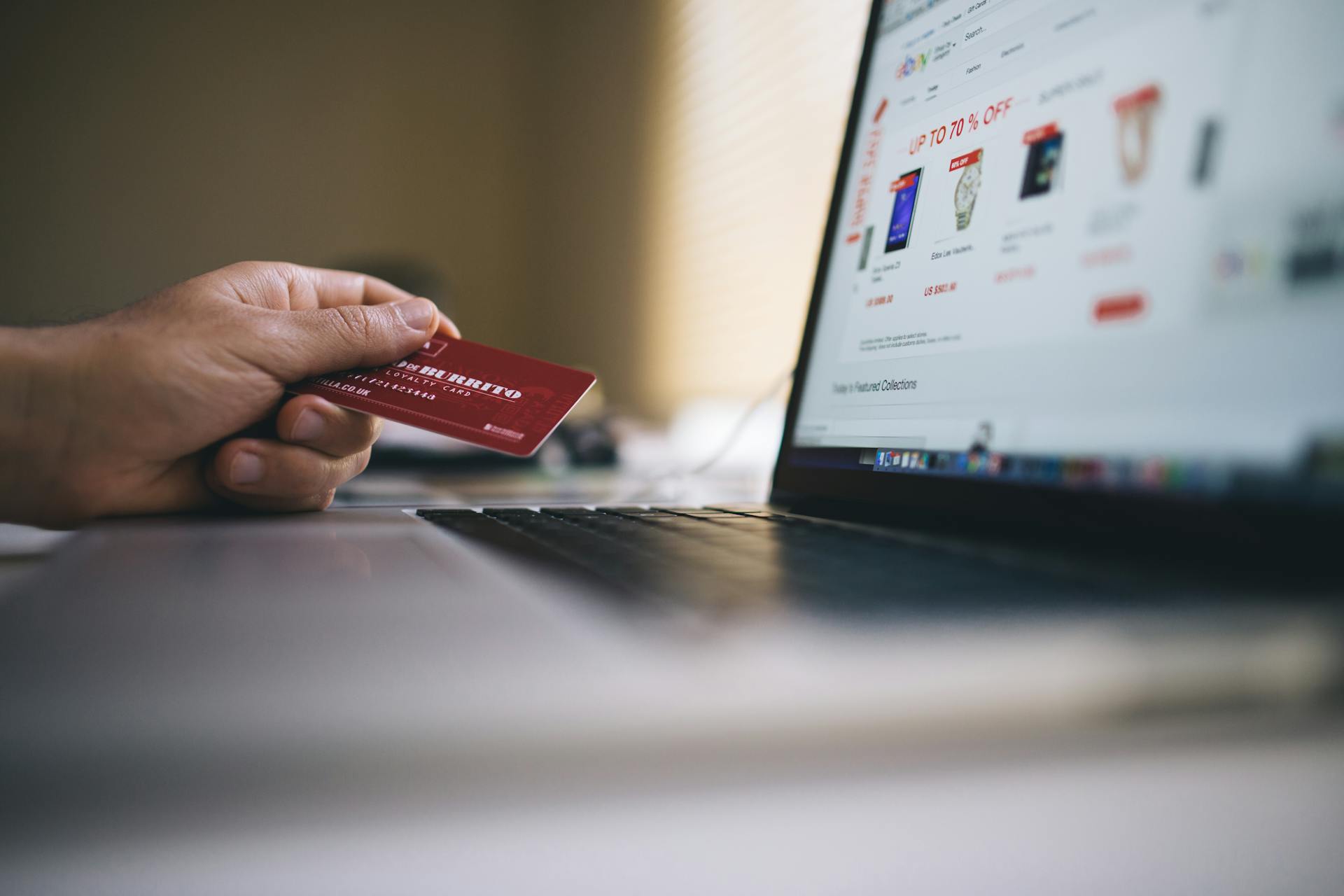
But not all payments hurt equally. Paying in cash hurts the most, because we see the banknotes physically leaving our hand. In contrast, paying by card dulls the pain – “credit cards basically numb the pain of paying,” explains psychologist George Loewenstein. You feel as if you spent nothing; you just tap a card and it’s done. Nothing is handed over, money becomes just numbers on a screen. The result? We spend more with a card. A Dun & Bradstreet study found that people spend on average 12–18% more by card than they would in cash. What the eyes don’t see (and the hand doesn’t release), the heart doesn’t feel... and the wallet suffers.
Hedonic adaptation: luxury we quickly get used to
Remember the joy when you bought your first real car or the newest smartphone? That intoxicating feeling of “now I finally have everything I need.” But after a few days, the novelty fades, and the dream car becomes just another car in your driveway. This phenomenon is called hedonic adaptation – we tend to quickly get used to good things and return to our baseline level of happiness.
Material purchases bring only short-term dopamine spikes, and soon we’re back to where we were. Psychologists compare it to a hedonic treadmill: we keep chasing the next hit of happiness but never quite reach the end.
Why does this lead us to overspend? Because when the new thing stops bringing joy, chasing another (more expensive) thing seems like the solution. You bought a luxury company BMW – euphoria for a while, but a year later you’re eyeing an even more expensive model. Lifestyle inflation kicks in: you earn more, so you spend more, but happiness does not grow proportionally. Studies show that even lottery winners are not permanently happier – after some time, their well-being returns to a level close to what it was before. Similarly, when something bad happens (like an accident), people eventually adapt and don’t feel much worse than before. Happiness from money and things has an expiration date.
Here’s the good news: not everything adapts equally. Experiences last longer than things. Research by psychologist Amit Kumar and colleagues shows that spending money on experiences (holidays, concerts) brings more and longer-lasting happiness than buying material goods. Why? We anticipate experiences beforehand, intensively live through them, and then revisit them in memories for years. A new car gets old, but memories of a family trip around the world stay forever. Despite this, hedonic adaptation often pushes us to buy more and more, thinking that this time the happiness will last – and yet we find ourselves back on the treadmill.
The decoy effect: when a “bad” option makes us spend more
Imagine you’re buying a company coffee machine. There are two options: a basic model for €50 and a pro model for €120. You hesitate – the expensive one is nice, but more than you want to pay. Then the seller mentions a third model: “We also have this mid-range one for €110, but its performance is much weaker than the €120 one.” Suddenly €120 sounds like a good deal – for only €10 more you get the best.
This trick is called the decoy effect. By adding a third, intentionally less attractive option, our preferences shift toward the more expensive product. The decoy is asymmetrically dominated: worse in everything compared to the expensive option, making the expensive option shine.
A classic example described by behavioral economist Dan Ariely involved The Economist subscription. They offered three options: online for $59, print-only for $125, and print+online for $125. Who would buy print-only when the same price gives both? Ariely found that no student chose the “decoy,” but thanks to it, 84% chose the most expensive bundle. When the middle option was removed, most students chose the cheapest $59 version. The decoy worked: while no one wanted it, it pushed people toward the expensive choice.
Businesses use decoys constantly. A small popcorn for €3, large for €7 – most people pick small. But add a medium for €6.50 and suddenly many choose the large (“it’s only 50 cents more!”), increasing revenue. The decoy creates the illusion of a smart upgrade, causing you to spend more than planned. Entrepreneurs and managers aren’t immune either – service bundles with a “special middle option” can easily push you into an overpriced choice.
Social comparison: we spend to keep up with others
Humans are social creatures and constantly compare themselves to others – consciously or subconsciously. This applies to money as well. If you’re an entrepreneur and your peers are buying new cars, exotic vacations, or expensive watches, you may feel a quiet pressure: “I’m falling behind, I should treat myself too.”
Social comparison often leads to unnecessary spending – we want to keep up with neighbors, colleagues, friends. Psychologists talk about FOMO – fear of missing out: fear that others enjoy something we don’t, so we spend just to stay in the game.

This phenomenon can be extreme. A study of Canadian lottery winners found that when someone wins a larger amount, the likelihood that one of their neighbors will soon go bankrupt drastically increases. Specifically, for every $1,000 won, the probability of a neighbor’s bankruptcy rises by 2.4%. Why? The winner buys a new car, pool, luxury toys – and neighbors (who didn’t win) feel pressured to keep up. They start spending beyond their means to match the perceived status, get into debt, and some end in bankruptcy. Researchers call this evidence of the “keeping up with the Joneses” effect – wealth growth of some pushes others into unsustainable spending.
How to resist psychological traps and spend smarter
Enough with the mental traps. Luckily, research offers effective strategies to keep spending under control without killing all joy:
Pay in cash:
This sounds old-fashioned, but psychologists recommend pulling out banknotes occasionally. The physical pain of paying in cash makes you think twice about unnecessary purchases. Studies show people spend less when paying cash instead of card. You don’t need to carry cash always – simply dedicate an amount for weekly fun. When it’s gone, it’s gone. You’ll be surprised how the physical limit forces you to prioritize what you really want.
For big purchases, give yourself time:
To fight impulsive buying, use the golden rule: “sleep on it.” If you want something expensive (a new gadget, luxury watch), wait 24 hours. The delay often reveals whether you truly want it or it was just a momentary impulse.
Shop with a plan (and a list):
Random browsing in stores or online makes you throw unnecessary items into your cart. Write a shopping list and set an approximate budget. Stick to the list as your guardrail.
Remind yourself why you save:
The best shield against short-term temptations are long-term goals. Sit down and clarify your financial priorities – investing in your business, securing your family, paying off your mortgage. When you know why you're keeping spending in check, it’s easier to resist. If you’re hesitating over a pointless expensive buy, imagine your future self in 5 years – would they thank you or be disappointed?
Limit triggers of envy and comparison:
If you feel social media or certain acquaintances push you into lifestyle competition, take a break. You don’t need to delete Instagram, but set limits and remind yourself that what you see is curated reality.