
Current State and Demographic Challenges of Family Business
Family businesses form the backbone of the European economy. It is estimated that within the European Union, they constitute 65% to 80% of all companies and generate nearly half of all jobs. This high level of family engagement brings stability and loyalty, but at the same time creates specific risks the moment the founder decides to retire.

Every year, approximately 450,000 businesses across the EU undergo an intergenerational transfer, directly affecting the lives of two million employees. For the Slovak environment, however, this process is relatively new, as most companies are undergoing their very first generational succession. It is precisely this inexperience with the transfer of capital and authority that causes only about 70% of businesses to successfully manage the first wave of succession. The remaining 30% of companies cease to exist, are sold below value, or end up in paralyzing legal disputes between heirs.
One of the biggest risks identified by analyses is the lack of preparedness for a situation where a successor is unavailable or has no interest in managing the company.
Psychological Barriers and the Generational Clash
Failure in handing over a company often stems not from a lack of capital, but from deep divergences in values and priorities between the founder generation and the next generation. Founders often perceive the company as their life's work, and their identity is inextricably linked to it. Handing over management thus represents a symbolic departure into the background for them, which many cannot cope with psychologically, leading to constant interference in the decisions of the new management.

The younger generation, on the other hand, tends to perceive the world through a different lens. They see the high stress and enormous time commitment of their parents, which they often do not identify with. For this generation, "work-life balance," digital innovation, and social responsibility are important. If successors perceive the value of inherited assets more than the founder's legacy, their motivation to continue building the business drops sharply.
The Family Constitution: More Than Just a Moral Obligation
The Family Constitution represents the fundamental cornerstone of the family business structure. Although it is not a document with direct legal anchoring in the Slovak legislative system, its significance is perceived as a moral and strategic code signed by all family members as a sign of agreement with the future direction. It is a flexible document whose rules can change depending on the economic situation or changes within the family circle.

The main goal of the constitution is to achieve three basic objectives: strengthening family ties, ensuring the company's prosperity, and defining clear ownership rules.
Tax Aspects: How to Transfer the Company Without Ruining It
The tax policy of the Slovak Republic is relatively favorable in the context of inheritance and gifting, but it hides traps for the unprepared. Currently, there is no inheritance tax or gift tax in Slovakia. This makes gifting shares during the founder's lifetime an attractive way to transfer assets. However, while the gift itself is not taxed, subsequent operations with this property are already subject to strict rules.
When inheriting a business share, it is crucial to correctly determine its "entry price" in the inheritance resolution. If the heir sells the company in the future, this entry price will be their tax expense. If this value is underestimated in the inheritance proceedings or documents are not preserved, the heir will pay tax on almost the entire sale price in the future, making the asset transfer extremely expensive.
MANDAT company, with over 20 years of experience in tax consulting and auditing, is ready to be your stable partner throughout the entire generational succession process.
Business Valuation: Methods and Significance for Fairness
Determining the correct value of a company is critical, especially if a settlement is to take place between multiple heirs, of whom only one continues in the business. Valuation helps prevent feelings of injustice and future lawsuits.
In generational succession, an independent valuation is recommended, which also takes into account specific risks associated with the founder's departure (so-called "key-man risk"). If the company is too dependent on the owner's personality, its value may drop sharply after their departure, which must be reflected in the valuation.
The Importance of Audit and Transparency in Handing Over a Company
An audit of financial statements is a key tool for building trust in the process of generational succession. For the incoming generation, as well as for banks and business partners, audited accounting is confirmation that the company is in good health and hides no "surprises."
An audit helps resolve questions of remuneration transparency and access to assets. The family should be clear about what dividends can be safely withdrawn from the company without jeopardizing its development. Moreover, if the company is audited, the due diligence process in the event of an investor's entry proceeds much more smoothly and with a higher success rate.
A Practical Guide to Steps for a Successful Generational Succession
Based on an analysis of best practices and identified risks, the generational succession process can be defined as a multi-year project that should ideally begin 5 years before the founder's planned departure.
Analysis and Visualization (Year 1): Identification of family values and company vision. First conversations with potential successors about their ambitions and interests.
Creation of the Family Constitution (Year 2): A series of family meetings with the participation of an independent facilitator. Definition of rules for employment, remuneration, and conflict resolution.
Professionalization and Holding (Year 3): Preparation of the legal and tax structure. Creation of a holding company, adjustment of partnership agreements, and implementation of reporting systems.
Gradual Delegation (Year 4): The successor takes over operational management, while the founder moves to the supervisory board. Testing the successor's capabilities in crisis situations.
Final Transfer and Exit (Year 5): Legal transfer of shares (by gift or sale) and the founder's complete withdrawal from operations. Definitive closure of the succession process.
Each of these phases requires the cooperation of lawyers, tax advisors, and auditors. The owner themselves should not be the architect of the entire process, as their emotional involvement can distort the objective assessment of successors' competencies.
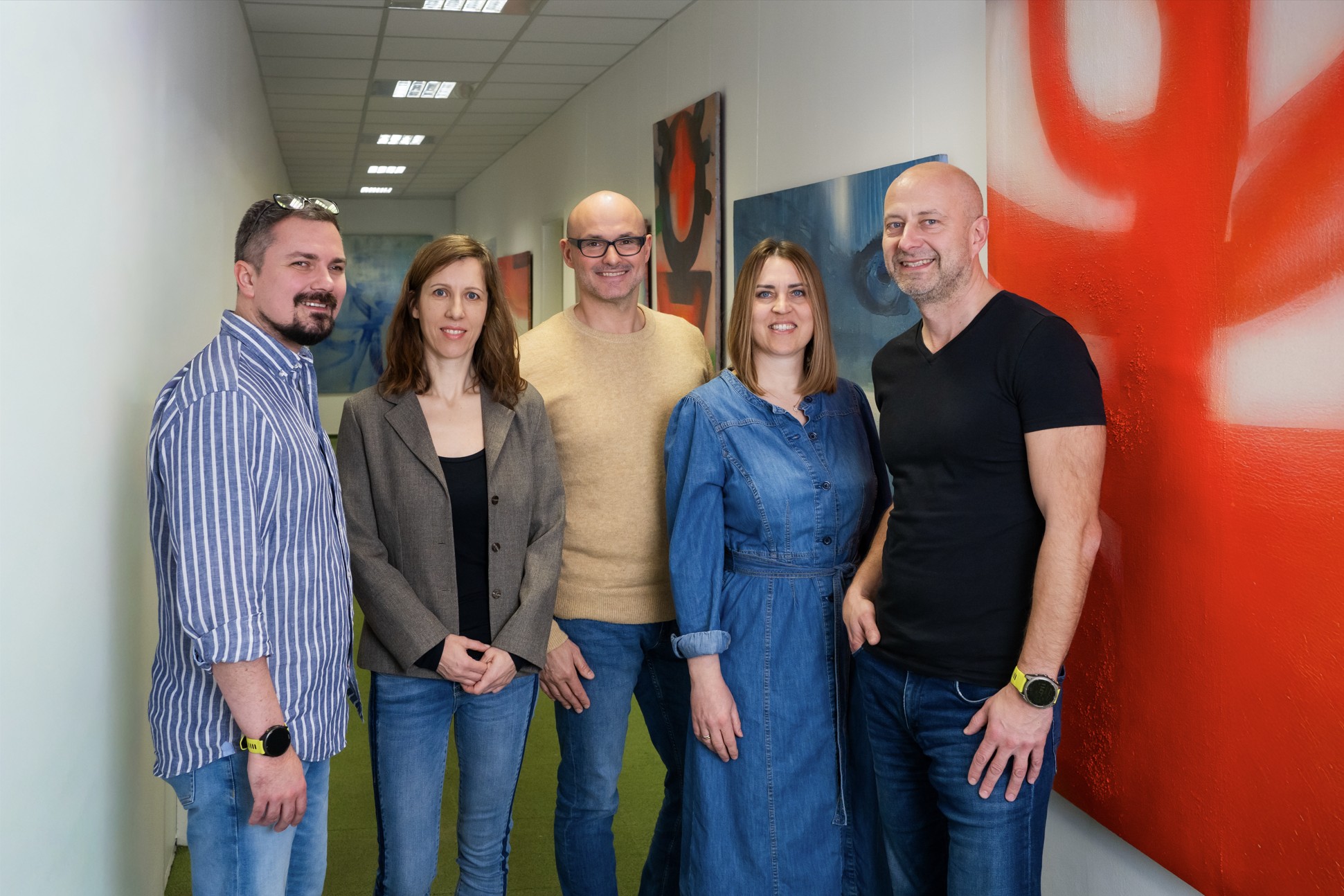
Generational succession is a process that cannot be left to chance. The statistic that 30% of companies do not survive the first transfer is a warning for every successful entrepreneur.