
When filing a tax return, every sole trader faces one decision that can swing their tax bill by hundreds of euros either way: claim flat-rate expenses, or actual costs? The answer isn't universal — it depends on how much your business actually costs you. Let's break it down.
What flat-rate expenses are and who can use them
Flat-rate expenses mean that instead of collecting and recording every receipt, you simply deduct a fixed percentage from your income. In Slovakia that's 60% of total income, but no more than 20,000 eur per year. The rest is your tax base.
It's not for everyone. Flat-rate expenses can be claimed by a taxpayer with income from business and other self-employment (§ 6(1) and (2) of the Income Tax Act) who was not a VAT payer, or was a VAT payer for only part of the tax period. Only someone who was a VAT payer for the whole year is excluded — if you became one partway through the year, you can still use the flat rate for that year.
One thing that gets forgotten, in a good way: paid contributions to social and health insurance are added to the flat rate on top — they don't count toward the twenty-thousand cap. So in reality you deduct 60% of income plus the paid premiums.
When the flat rate pays off — and when it doesn't
The logic is simple: the flat rate wins whenever your actual costs are lower than 60% of income. That's typical for mental work with low inputs — programmers, designers, consultants, authors, copywriters. They spend little on materials and the flat rate "gifts" them expenses they never actually incurred.

Conversely, if you buy a lot of goods or materials, or pay wages, your actual costs easily exceed 60% — and then it pays to record real expenses, because you deduct more.
Let's put numbers on it. A freelancer with income of 28,000 eur, actual costs of 4,000 eur and paid premiums of 3,200 eur:
Flat rate: 60% of 28,000 = 16,800 eur of expenses. Tax base = 28,000 − 16,800 − 3,200 = 8,000 eur.
Actual costs: 28,000 − 4,000 − 3,200 = 20,800 eur tax base.
With the flat rate they tax 8,000 instead of 20,800 eur. The gap is enormous — and that's exactly why, with low inputs, the flat rate almost always pays off.
Details that get overlooked
The cap kicks in sooner than you'd expect. You reach the 20,000 eur flat-rate limit already at an income of 33,333 eur (60% of that is exactly 20,000). Every euro of income above that line no longer increases the flat rate — so you effectively tax an ever larger share of your income. At higher incomes the flat-rate advantage therefore gradually fades, and a comparison with actual costs makes more sense.
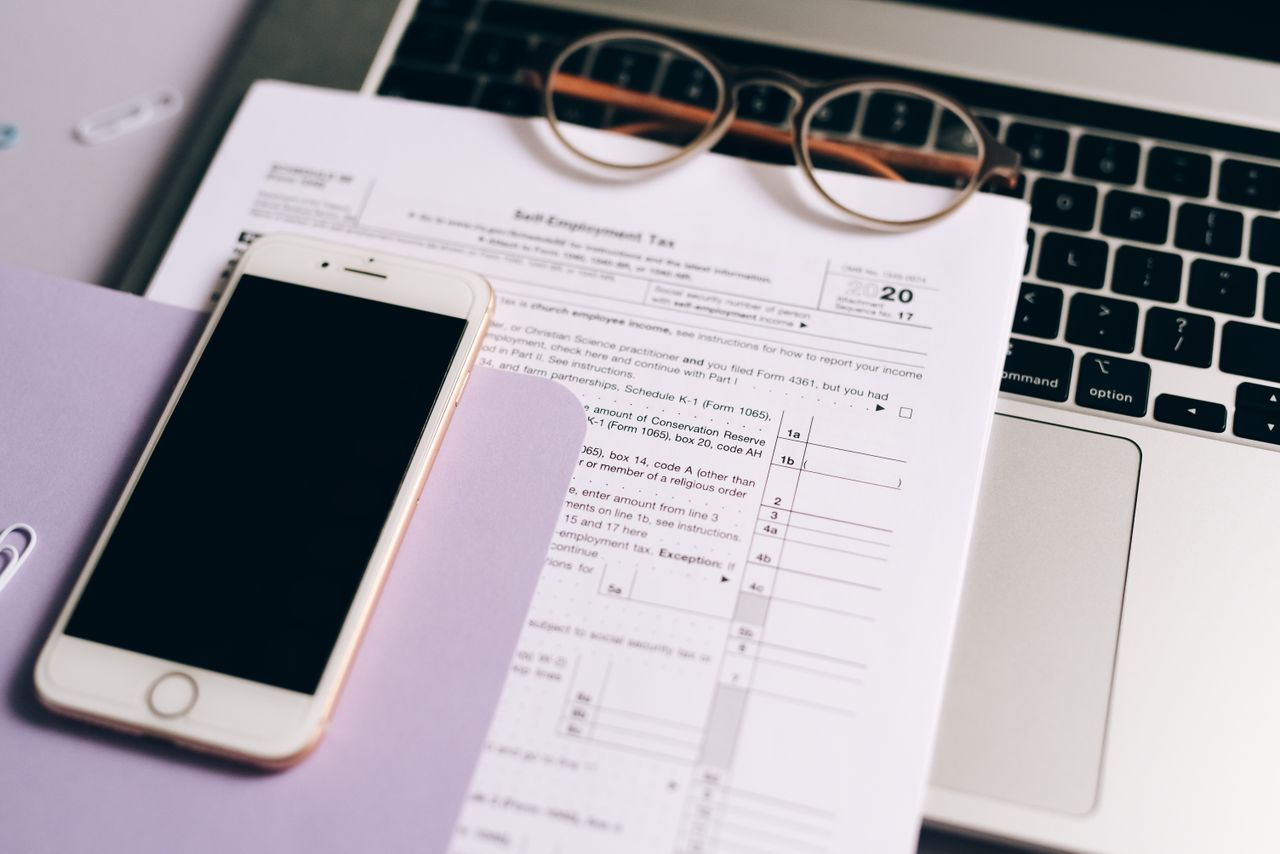
The flat rate doesn't mean zero record-keeping. Even with flat-rate expenses the law requires basic tax records — income in chronological order with documents, and records of inventory and receivables. You don't have to keep full accounts, but the "paperwork" doesn't disappear entirely.
The decision isn't for life. You choose the regime each year separately when filing the return, so when your costs or income grow you can switch to actual expenses. You only lose the flat rate once you're a VAT payer for the whole tax period — if you became one for only part of the year, you can still use it for that year.
How to decide
Do a simple calculation: take your estimated annual income, add your actual costs, and compare them with 60% of income (max 20,000 eur). If your actual costs are lower, the flat rate almost certainly wins. If they're higher, or you're hovering right on the edge of high income, it pays to calculate both options thoroughly — including the impact on contributions and any VAT.
Conclusion
The flat rate isn't a "cheaper tax" but a tool that pays off in exactly the right situation — with low costs and income up to a certain line. At higher inputs, or at the edge of the cap, actual costs may save you more. Since this is a decision you make once a year that directly affects your tax, don't eyeball it.
Before you file, have your specific case calculated with our team — we'll compare both options including contributions and VAT, so you pick the one that genuinely saves you the most.